Saudi Arabia — study, work, migrate and visit
Saudi Arabia is one of the largest employers of Indian nurses and allied healthcare professionals. Work is employer-sponsored and leads to a residence permit (Iqama); healthcare professionals must be classified and registered by the Saudi Commission for Health Specialties (SCFHS); and recruitment from India runs through the eMigrate system.
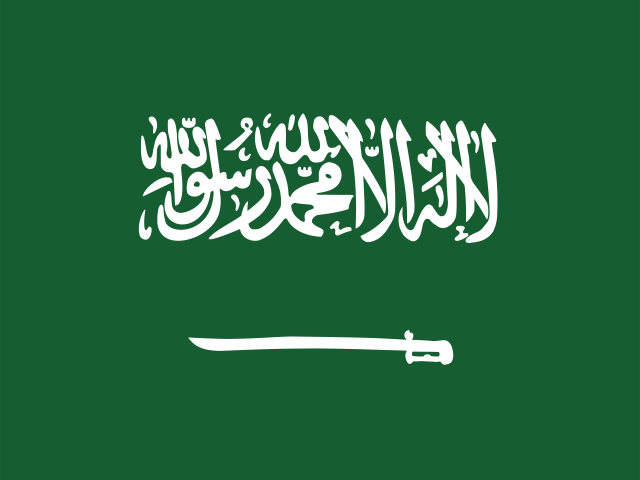 Last reviewed 1 October 2026
- Capital
- Riyadh
- Currency
- Saudi riyal (SAR)
- Official language
- Arabic (English is widely used in hospitals)
- Healthcare regulator
- Saudi Commission for Health Specialties (SCFHS), through the Mumaris Plus platform
- Key routes
- Employer-sponsored work visa and Iqama, family visit visa, tourist visa for eligible travellers
- India emigration category
- ECR country — emigration clearance through eMigrate for ECR passport holders and for nurses
Why Indian professionals choose Saudi Arabia
Saudi Arabia has employed Indian professionals for decades, and Indian nurses are a familiar part of its hospitals — in Ministry of Health facilities, military and university hospitals, and the growing private sector. The Kingdom is investing heavily in healthcare as part of its national transformation plans, which keeps demand steady for qualified, experienced clinical staff.
For nurses from Kerala, Saudi Arabia offers structured hospital work, English as the clinical working language in most facilities, and experience that is recognised by employers elsewhere in the Gulf and beyond. As in the rest of the Gulf, foreign workers are sponsored by their employer: the job, the visa and the residence permit come together.
Main routes
- Work visa and Iqama — the employer registers your contract, obtains the work visa, and after you arrive arranges your residence permit (Iqama).
- Healthcare roles — the same route, plus professional classification by SCFHS before you can be registered to practise.
- Family visit visa — Saudi residents who meet the conditions can invite certain relatives for a visit.
- Tourist visa — available online or on arrival for eligible nationalities and for travellers who meet specific conditions; Indian passport holders generally need to check whether they qualify.
Healthcare licensing: SCFHS classification and registration
All healthcare practitioners in Saudi Arabia are regulated by the Saudi Commission for Health Specialties (SCFHS). Its process has two separate stages, both handled through the Mumaris Plus online platform:
- Professional classification — SCFHS reviews your qualification and experience and decides your professional title and grade. You can apply from outside the Kingdom. Depending on your profile, the outcome may be a direct decision, a practical evaluation or an electronic exam.
- Professional registration — once you are classified and have a Saudi residence permit, you register to practise. According to SCFHS, registration is valid for two years and is renewed, with continuing professional development (CPD) hours.
Qualifications obtained outside Saudi Arabia must be verified by an SCFHS-approved verification company — in practice this is primary source verification through DataFlow Group. SCFHS’s published requirements state that non-Saudi applicants need at least one year of professional experience.
See our healthcare recruitment section for how we support nurses and allied professionals through this process.
Practical points for Indian candidates
- Emigration clearance — Saudi Arabia is one of India’s ECR countries. Holders of ECR passports need emigration clearance through eMigrate before leaving for work, and so do nurses going to work in ECR countries, whatever their passport category. Check the current rules on eMigrate.
- Use licensed recruiters only — overseas recruitment from India must be done by a Recruiting Agent registered with the Ministry of External Affairs, or by an employer with the required permission. You can check an agent’s licence on eMigrate.
- Your contract — employment contracts in Saudi Arabia are registered electronically. Read the terms before you accept: job title, basic salary and allowances, hours, leave, housing, transport, medical insurance, end-of-service benefit and notice period.
- Job title and qualification — the title on your contract and visa should match your qualification and SCFHS classification. Mismatches cause delays.
- Medical tests — a pre-departure medical at a GCC-approved centre in India is part of the visa process, and further checks follow after arrival.
- Salary — paid in Saudi riyals by your employer. Saudi Arabia does not tax employees’ salaries at the time of review, but check how Indian tax residency rules apply to you.
- Daily life — local laws and customs differ from India in important ways. Read the guidance from the Embassy of India in Riyadh and your employer’s orientation material before you travel.
How LUXVIA can help
LUXVIA GLOBAL holds a Recruiting Agent licence under the Emigration Act, 1983 (details on our licence and credentials page). We work with Saudi employers who want to hire Indian talent and with candidates who want to work in the Kingdom. Employers decide who they hire, and SCFHS and the Saudi authorities decide on classification, licences and visas — we never promise an outcome we do not control.
Register once for every LUXVIA service
Create your candidate account in the LUXVIA Candidate Portal. Our team uses it to match you with admissions, jobs and visa pathways.
Nursing licensing in Saudi Arabia
Official sources
- Saudi Commission for Health Specialties (SCFHS)scfhs.org.sa
- Ministry of Foreign Affairs — visa servicesvisa.mofa.gov.sa
- Ministry of Human Resources and Social Development (MHRSD)www.hrsd.gov.sa
- Qiwa — labour services platformqiwa.sa
- Absher — Ministry of Interior e-serviceswww.absher.sa
- Visit Saudi — official tourism sitewww.visitsaudi.com
- Embassy of India, Riyadhwww.eoiriyadh.gov.in
- eMigrate, Government of Indiaemigrate.gov.in
Not sure which route fits you?
Answer a few questions and get an initial result in minutes. An advisor then reviews it with you.
Check my eligibility